Introduction
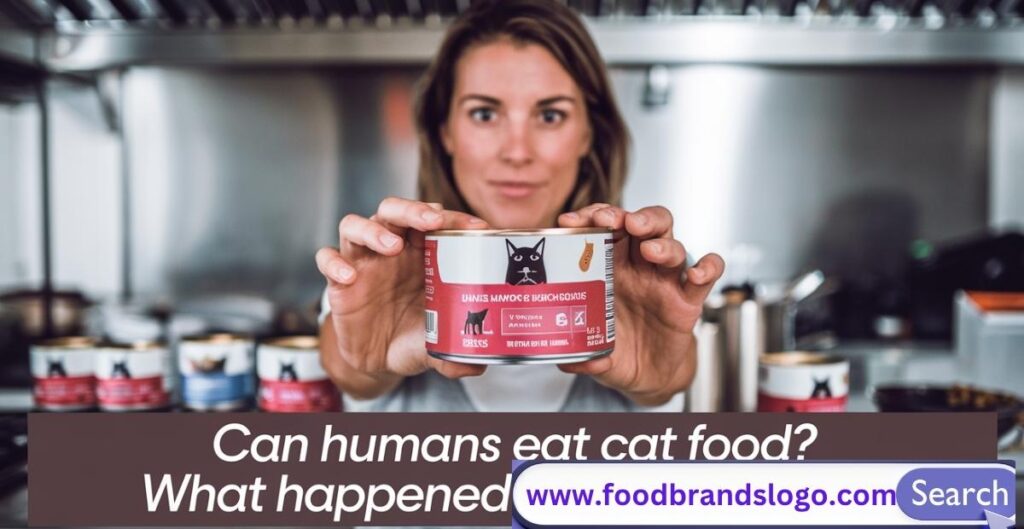
Have you ever opened a can of cat food, smelled the meaty scent, and wondered, “I wonder if I could eat this if I had to?” You’re not by yourself. Can humans eat cat food? is a question that many people have raised due to increased interest in emergency survival food, extreme frugal living, or just plain curiosity.
We’ll address that strange but intriguing query in this piece. We’ll study what’s actually in cat food, how it affects the human body, and if you can eat it safely—or if doing so is a prescription for problems. The nutritional breakdown, hazards, emergency scenarios, and even which human foods cats can safely eat will all be covered.
Can a Human Eat Cat Food And Is It Safe To Eat?

In theory, cat food is edible. It is composed of meat, vitamins, minerals, and additions to satisfy the unique dietary requirements of cats. However, you shouldn’t eat anything just because you can.
Human dietary requirements are not taken into consideration when creating cat food. Actually, it is produced in accordance with pet food standards, which are distinct from the FDA’s guidelines for the safety and nutritional balance of human food. A tablespoon of cat food might not hurt you right away, but eating it frequently could cause nutrient imbalances, stomach problems, or worse.
Cat food often contains:
- Meat by-products
- Organ meats
- Fish meal
- Added taurine (an essential amino acid for cats)
- Vitamin A in high concentrations
- Animal fats
- Grains, soy, or rice
- Artificial preservatives like BHA or BHT
In small doses, these substances are usually safe, but prolonged exposure, particularly to high salt or vitamin A concentrations, might be harmful.
Cat food is designed for high-protein diets and small digestive tracts. For a human, this could lead to problems such as:
Diarrhea or constipation
nausea brought on by a lot of fat or oil
Too much salt
Insufficient dietary fiber
Unbalances in vitamins or minerals
Is it safe, then? Probably for a bite or two. But for sustenance or as a means of surviving? It’s not at all ideal.
Can Humans Eat Wet Cat Food?
Wet cat food, which comes in cans or pouches and frequently looks like pâté or shredded meat, may appear a little more enticing than dry kibble. However, how does it perform when it hits a human tongue?
Let’s examine what you would be eating:
Ingredients of typical wet cat food:
Liver of chicken
By-products of Turkey
Salmon or tuna
Organ meats (heart, kidney)
Fish or meat broth
Supplemental taurine
Supplements of vitamin A
Gelling substances (such as guar gum)
Thickness
By-products of meat
In order to entice cats, it is typically soft, greasy, and loaded with flavor enhancers. But to a person, those same enhancers could taste awful—often metallic, excessively salty, or just “off.”
What happens when a human eats it?
- Some people report a fishy, pungent aftertaste.
- Others feel queasy due to the texture or smell.
- In rare cases, it can cause mild food poisoning—especially if the can was compromised or expired.
Still, it’s not toxic in one bite. But over time, the nutritional profile of wet cat food (low fiber, high sodium, high protein, odd fat sources) may cause serious digestive distress for people.
Bottom line: Yes, humans can eat wet cat food—but you probably won’t want to more than once.
Nutritional Breakdown: Vitamins, Minerals & More
Cat food is made to satisfy the nutritional requirements of cats, who are obligate carnivores. In contrast, humans are omnivores. That is a significant dietary disparity. Let’s examine the benefits of cat food and how it stacks up against what your body truly requires.
1. Protein Content
Animal protein makes up a large portion of cat food—often 30–50% of total calories. That is overkill for humans but perfect for cats. Protein is necessary for muscle repair, but too much of it can strain the kidneys, particularly if you don’t drink enough water or balance your intake of fats and carbohydrates.
2. Fat and Oil Levels
Animal lipids like fish oil or chicken fat are present in the majority of cat diets. These are high in calories and, although they give you energy and fatty acids, they can also make your cholesterol go up if you eat too much of them.
3. Carbohydrates
Many cat meals are low in carbohydrates since cats don’t need them. However, the main source of energy for humans is carbohydrate. Low blood sugar, exhaustion, and lightheadedness can result from a diet deficient in carbohydrates.
4. Fiber Content
Cat food contains little to no fiber, which is one of the main problems. Dietary fiber is necessary for human digestive health, constipation prevention, and the maintenance of normal blood sugar and cholesterol levels.
5. Taurine
Although humans are able to produce this amino acid spontaneously, cats require it. Although taurine in cat food is safe for you, you shouldn’t eat it.
6. Vitamin A
This is a serious warning sign. High levels of vitamin A found in cat food can be hazardous to humans if taken frequently. Nausea, headaches, lightheadedness, and in extreme situations, liver damage are among the adverse effects.
7. Calcium and Phosphorus
Balanced for feline bone health, but not ideal for human absorption ratios. Too much phosphorus can strain kidneys over time.
8. Sodium Levels
In order to maintain flavor and shelf life, cat food is frequently salted. A high salt level might make people bloated or dehydrated and raise blood pressure.
9. Preservatives
BHA, BHT, and ethoxyquin are commonly used in cat food but are controversial for human consumption. Long-term exposure has been linked to health risks in some studies.
10. Essential Fatty Acids
While cat food may contain Omega-3 and Omega-6 fatty acids, the sources (fish meal, chicken fat) aren’t always fresh or balanced for human dietary needs.
🔍 Common Cat Food Ingredients (20–30 Examples):
- Chicken by-product meal
- Tuna
- Salmon
- Chicken liver
- Turkey
- Meat broth
- Fish meal
- Chicken fat
- Brewers rice
- Corn gluten meal
- Whole grain corn
- Soy flour
- Beet pulp
- Peas
- Carrots
- Animal digest
- Taurine
- Salt
- Potassium chloride
- Choline chloride
- DL-Methionine
- Vitamin E supplement
- Vitamin A supplement
- Zinc sulfate
- Niacin
- Thiamine mononitrate
- Folic acid
- Calcium carbonate
- BHA/BHT preservatives
- Rosemary extract
What Happens if You Eat Cat Food?
When you eat cat food—whether dry kibble or canned—your body reacts to ingredients it isn’t used to. Some responses are mild and temporary; others can lead to more serious issues.
Short-Term Effects:
- Strange taste and texture – Many humans find the flavor off-putting.
- Nausea or upset stomach – Especially from fatty or fishy cat food.
- Gas or bloating – Due to high protein and low fiber.
- Mild diarrhea or constipation – Fiber imbalance is usually to blame.
- Metallic aftertaste – Often from preservatives and minerals.
Long-Term Effects:
- Vitamin A toxicity – Symptoms can include dizziness, nausea, blurry vision, liver damage.
- Sodium overload – Risk of high blood pressure, dehydration.
- Fatty buildup – May impact heart health if consumed regularly.
- Nutrient deficiencies – Lack of essential vitamins, fiber, and carbs can lead to fatigue, mental fog, and muscle cramps.
- Kidney strain – Too much protein and phosphorus may hurt kidney function over time.
Can You Get Sick from Eating Cat Food?
Yes—especially if you consume expired or improperly stored cat food.
Common Illnesses From Eating Cat Food:
- Bacterial infections – Salmonella and E. coli can survive in pet food, especially raw or spoiled types.
- Food poisoning symptoms – Vomiting, diarrhea, fever.
- Chemical contamination – Some pet foods have been recalled due to toxic contamination (e.g., melamine).
- Allergic reactions – You might be allergic to animal byproducts or additives.
- Digestive discomfort – Lack of enzymes and improper balance for humans can cause gut issues.
Bottom line: A bite probably won’t hurt you—but eating it daily, or relying on it in survival scenarios, is not a smart or safe choice.
Risks of Eating Cat Food
Eating cat food isn’t immediately deadly, but that doesn’t make it safe. Even though it’s made from “edible” materials, there are real risks—especially if you eat it more than once.
Here’s a breakdown of the key dangers:
1. Nutritional Imbalance
Cat food doesn’t provide the carbohydrates, fiber, or balanced nutrients humans need. Prolonged consumption could cause energy loss, fatigue, and mental fog.
2. Vitamin A Toxicity
Cat food contains high levels of Vitamin A, which is great for cats—but dangerous for humans in excess. Over time, this can cause headaches, nausea, liver damage, and even hair loss.
3. Sodium Overload
Cats tolerate more salt than humans. Eating salty food regularly can spike your blood pressure, dehydrate you, and increase your risk of stroke or heart disease.
4. Lack of Dietary Fiber
Human digestive systems need fiber to function properly. Cat food is fiber-deficient, leading to constipation or poor gut health over time.
5. Digestive Issues
Human stomachs don’t handle organ meat or animal byproducts as easily as cats. You may feel bloated, nauseous, or have irregular bowel movements.
6. Not Made to FDA Human Food Standards
Cat food isn’t legally required to meet human food-grade standards. That means contamination, poor sanitation, or questionable ingredient sources may occur.
7. Chemical Preservatives
Ingredients like BHA, BHT, and ethoxyquin are found in many brands and have been linked to health concerns in human studies.
8. Animal Byproducts
Lungs, bones, beaks, and other parts unfit for human consumption are legal in cat food. While not always harmful, they can be unappetizing and nutritionally irrelevant to people.
9. Pathogen Exposure
Mold, bacteria, and parasites—especially in improperly stored or expired food—pose serious health risks.
10. Psychological Effects
Let’s face it—eating cat food could make you feel embarrassed or desperate. It can take a toll on your mental health if it’s due to poverty or survival stress.
Can Cats Eat Human Food?
Yes—but only certain types. Many human foods are safe for cats, while others are dangerous or even deadly.
Let’s break it down:
Safe Human Foods for Cats
Here are 30 foods that cats can safely eat in moderation:
- Cooked chicken
- Cooked turkey
- Cooked eggs
- Cantaloupe
- Watermelon (seedless)
- Apples (no seeds)
- Blueberries
- Cooked salmon
- Cooked tilapia
- Pumpkin (plain, cooked)
- Cooked peas
- Oatmeal
- Plain rice
- Green beans
- Zucchini
- Broccoli
- Carrots (cooked)
- Spinach (in small amounts)
- Bananas
- Cheese (small portions)
- Cucumber slices
- Tuna (unsalted)
- Peanut butter (xylitol-free)
- Cooked shrimp
- Yogurt (plain, no sugar)
- Cranberries
- Plain popcorn
- Cooked sweet potatoes
- Sardines (in water)
- Whole grain bread (tiny bits)
Unsafe Human Foods for Cats
Avoid these 30 foods—they’re toxic or dangerous for felines:
- Chocolate
- Onions
- Garlic
- Chives
- Grapes
- Raisins
- Alcohol
- Coffee
- Tea
- Raw eggs
- Raw meat (risk of bacteria)
- Dairy (if lactose-intolerant)
- Avocados
- Macadamia nuts
- Yeast dough
- Salt
- Artificial sweeteners (especially xylitol)
- Tomato stems or leaves
- Raw potatoes
- Candy
- Ice cream
- Chicken bones
- Cooked fish bones
- Energy drinks
- Processed snacks
- Fat trimmings
- Canned soups (high sodium)
- Spicy food
- Fried food
- Citrus fruits and peels
Is Cat Food Human-Grade?

Most cat food is not human-grade. It’s made from ingredients considered safe for animal consumption only, not human food standards.
Key Differences:
- Human-grade: Meets FDA food regulations, inspected for human safety.
- Feed-grade: Meant for animals. May contain animal byproducts, expired meats, or lower quality cuts.
Even while some high-end products claim to include “human-grade” components, this does not imply that the product is safe or well-balanced for humans.
Some products, such as rice, peas, or chicken, may seem fine, but they are produced in facilities that don’t adhere to the hygienic and inspection requirements needed for human consumption.
Therefore, don’t be duped if a cat food label states that it has “human-grade ingredients.” A dinner invitation is not extended.
Can Humans Eat Cat Food in an Emergency?
In a true emergency—natural disasters, food shortages, or survival situations—you might consider anything edible, including cat food. But is it a smart choice?
Yes, but only as a short-term last resort.
Calories, protein, and fat—all essential when food is limited—can be found in cat food. However, it is deficient in the fiber, essential vitamins, and carbohydrates your body needs to survive over the long run. Additionally, because it is not regulated for human consumption, it might contain pollutants or trace poisons that are safe for animals but not for humans.
Key things to consider:
- Check expiration dates: Older cans may develop bacteria or lose nutrients.
- Avoid dry kibble: It’s harder to digest and less palatable.
- Stick to canned options: Wet cat food may be safer, more hydrating, and easier to eat.
- Hydrate well: High sodium levels in pet food increase your risk of dehydration.
In survival scenarios, your priority is staying alive. If cat food is your only option for a day or two, it’s better than nothing. But as soon as you find access to real human food—switch.
Alternatives to Eating Cat Food
Before opening a can of Fancy Feast for yourself, consider these better emergency food alternatives—all human-safe, shelf-stable, and easy to store.
30 Smart Alternatives to Cat Food:
- Canned tuna
- Peanut butter
- Trail mix
- Granola
- Protein bars
- Canned chicken
- Canned beans
- Canned soup
- Dried fruits
- Ramen noodles
- Crackers
- Instant rice
- Powdered milk
- Jerky (beef/turkey)
- Canned chili
- Shelf-stable milk
- Energy gels
- Vacuum-packed tofu
- Lentils
- Ready rice packs
- Dehydrated meals
- Freeze-dried fruit
- Chickpeas
- Hard candy
- Oatmeal packets
- Whole wheat bread (vacuum-sealed)
- Cheese spread
- Nut butter snacks
- Emergency ration bars
- MRE (Meals Ready to Eat)
These foods are not only more suitable for human digestion—they also meet FDA safety standards and offer more balanced nutrients.
Will Eating Pet Food Kill You?
This question gets asked a lot—and the answer is: probably not, but there are exceptions.
Here’s what you should know:
- One-time consumption won’t kill you, unless the food is contaminated or you have a severe allergy.
- Long-term consumption may result in:
- Vitamin A toxicity
- Digestive complications
- Kidney stress
- Sodium-induced dehydration
- Protein overdose
- Vulnerable groups (children, elderly, immunocompromised) are more at risk.
- Expired food or improper storage can introduce bacteria that causes food poisoning or infections.
If you accidentally eat some cat food, don’t panic. But if you feel nauseous, dizzy, or develop symptoms like vomiting or diarrhea, seek medical attention—especially if the food was spoiled.
Can Humans Eat Catnips?
Yes—humans can safely consume catnip, and it’s actually used in herbal medicine.
What is Catnip?
Catnip (Nepeta cataria) is a member of the mint family. It contains a compound called nepetalactone, which drives cats wild but has a calming effect on humans.
Uses in Human Health:
- Herbal tea for relaxation, anxiety, or insomnia
- Digestive aid for gas or stomach cramps
- Natural remedy for headaches or stress
How to Use Catnip:
- Brew dried leaves into a mild tea
- Add small amounts to smoothies or juice
- Sprinkle onto salads or baked goods (in moderation)
Precautions:
- Don’t overconsume—it may cause drowsiness or nausea in large doses.
- Not recommended for pregnant women due to potential uterine stimulation.
So yes—catnip is human-friendly and far more enjoyable than cat food!
Canned Cat Food vs. Dry Cat Food – Which Is Safer?
If you’re determined to eat cat food—or forced to in an emergency—you’ll need to choose between wet and dry. So which one is safer?
Canned Cat Food:
- Pros:
- Higher moisture content—helps hydration
- Easier to chew and digest
- Fewer preservatives
- Generally fresher
- Cons:
- Spoils faster after opening
- Smell and taste may be off-putting
- Still high in sodium
Dry Cat Food (Kibble):
- Pros:
- Long shelf life
- Portable and easy to store
- Crunchy texture (some find it tolerable)
- Cons:
- Very low moisture—can cause dehydration
- High in carbs and fillers
- Often contains preservatives and artificial flavors
- Can be hard on your teeth and digestive tract
Verdict:
If you must eat cat food, go with canned (wet). It’s more hydrating, less processed, and easier on your stomach. But again—it’s not meant for humans, so don’t treat it like a meal plan.
Should Humans Eat Cat Food?
We’ve explored the ingredients, risks, and nutritional makeup—but let’s answer the real question: Should humans eat cat food?
The Bottom Line
Technically, yes—you can eat cat food. It won’t kill you instantly. However, that doesn’t mean it’s smart or safe to eat it as part of your diet.
Cat food is designed for cats, not people. Their bodies need different nutrients, like more taurine and fewer carbohydrates. What keeps your furry friend healthy could make you sick—especially with repeated exposure.
Eating it once in an emergency might be fine. But doing so regularly can cause:
- Vitamin A overdose
- Nutritional deficiencies
- Gastrointestinal issues
- Long-term health risks like kidney damage or high blood pressure
Summary of Safety and Risks
Let’s recap what we’ve learned:
✅ Safe in Extremely Small Amounts (Occasionally):
- Wet cat food is less harmful than dry kibble
- Short-term consumption is okay in survival situations
- Canned options are more hydrating and digestible
❌ Unsafe for Regular Consumption:
- Lacks human dietary balance
- High in sodium, low in fiber
- Contains preservatives not approved for human use
- Risk of foodborne illness or contamination
- Can cause long-term organ damage or nutritional imbalances
So while it won’t harm you to nibble a bit out of curiosity or necessity, cat food should never replace real human meals. You’re better off with survival rations, canned goods, or even simple pantry staples.
Conclusion
Can people consume cat food, then? Reluctantly, yes, but only in dire circumstances and most definitely not voluntarily.
This is what we have discovered:
In tiny amounts, cat food is not harmful to people.
It does not provide folks with a balanced diet.
There are actual dangers, particularly if used frequently.
Wet cat food is the safer choice in a survival scenario, thus it’s only used as a last resort.
For storing food in an emergency, there are numerous safer and better options.
It’s one thing to be curious, but your body needs sustenance to maintain vitality, health, and energy. Therefore, give your feline companion the Fancy Feast unless you’re really at a loss for what to do.
FAQs
What happens if a human eats cat food?
You should be okay if you consume cat food once. Because of the high fat and low fiber content, it may taste odd and cause your body to respond with moderate digestive symptoms including bloating, diarrhea, or nausea. Regular consumption, however, may result in major health hazards such as vitamin A intoxication, salt overload, and dietary deficiencies.
Is cat food safe for humans to eat in an emergency?
In an emergency, cat food might serve as a temporary survival food. It has calories, fat, and protein—enough to sustain you for a little while. Although canned wet cat food is a safer option than dry kibble, keep in mind that it is not designed to satisfy human nutritional requirements and ought to be used sparingly.
Can people eat wet cat food?
In theory, wet cat food is safe for humans to consume, and it might be simpler to chew and digest than dry food. However, it is unpleasant because to its peculiar texture, pungent stench, and high salt content. Although it’s not harmful, it’s not the best option either, particularly for repeated use.
Do people actually eat cat food?
Indeed, out of curiosity, dares, or dire survival circumstances, some people have tasted cat food. These incidents are typically one-time, albeit it’s not advised. Because of the nutritional imbalance and possible pollutants, regular use is neither safe nor healthful.
Can you get sick from eating cat food?
Yes, you can become ill, particularly if the food is contaminated, incorrectly stored, or has expired. Common dangers include gastrointestinal distress, allergic reactions, and food poisoning caused by germs like Salmonella or E. coli. Food safety regulations do not apply to cat food because it is not regulated for human consumption.
Why can’t humans eat cat food regularly?
Cat food does not supply the proper amount of fiber, carbohydrates, vitamins, and minerals that humans require. It is designed for predatory animals and does not have the intricate dietary needs of humans. It is never advised to eat it on a regular basis since it may eventually harm your health.
Is it legal to eat cat food as a human?
It’s legal, yes. You are not prohibited by law from consuming pet food. It is exempt from FDA human food safety rules, nevertheless, because it is not intended for human consumption. Eating it puts you at risk.
Is cat food considered human-grade?
Most cat food isn’t fit for human consumption. Feed-grade ingredients, which are suitable for animals but do not meet human food standards, are used in its production. Even while some high-end companies contain “human-grade ingredients,” the finished product is still not intended for human consumption.
Can humans eat raw cat food?
Humans are particularly at risk when consuming raw cat food. It might contain dangerous bacteria like Listeria or Salmonella, which cats can usually handle but which can cause serious illness in humans. Steer clear of unpasteurized or raw pet food altogether.
Can humans eat dry cat food?
Although you can consume it, you should probably avoid doing so. Dry kibble is tough, devoid of moisture, and can lead to choking or upset stomachs. Additionally, it contains a lot of carbohydrates and unsuitable preservatives.